
The OBD2 port is almost always under the dashboard on the driver’s side, within reach of the driver’s seat. Look first directly under the steering column, then scan sideways toward the center console, then check for a small plastic cover hiding it — the connector standard explicitly allows automakers to tuck it out of plain sight.
- The OBD2 port, officially called the data link connector (DLC), has to sit within reach of the driver’s seat under the SAE J1962 standard — almost always somewhere under the dash on the driver’s side, not in the engine bay or trunk.
- SAE J1962 sets a zone, not one fixed spot: between the steering column and the vehicle centerline is the preferred area, with more room allowed toward the center on some trucks and vans.
- The standard explicitly allows the connector to sit out of your normal line of sight, as long as a technician who crouches down can still see it — which is exactly why some automakers tuck it behind a small cover.
- Work through the 3-step search pattern in order (steering column, then center console, then hidden covers) instead of hunting randomly or going straight to a brand-specific guide that may not match your exact car.
- If a careful search turns up nothing, your owner’s manual’s connector diagram is the next step before assuming your vehicle is an exception.
What Is the OBD2 Port, and Why Is It Sometimes Hard to Spot?
The OBD2 port is the 16-pin connector a scan tool plugs into to read your car’s trouble codes. The EPA began requiring on-board diagnostics on light-duty vehicles and light-duty trucks starting with the 1994 model year, specifically to let technicians and drivers monitor emission-related components for deterioration and malfunction over the vehicle’s life. If you’re setting up a scanner for the very first time, our first-time scanner guide covers the rest of that process once you’ve found the port.
The connector itself is standardized by SAE J1962, the industry specification that defines its shape, its 16 pins, and — important for this guide — where it’s allowed to sit in the vehicle. That standard does two things that explain why the port can be hard to find. First, it defines a zone rather than one exact point, so the port’s precise position varies from one car to the next even though it’s always in the same general area. Second, it specifically says the connector can sit out of the driver’s and passengers’ normal line of sight, as long as it’s “easily visible to a ‘crouched’ technician.” In plain terms: automakers are allowed to hide it, and many do.
The Universal 3-Step Search Pattern
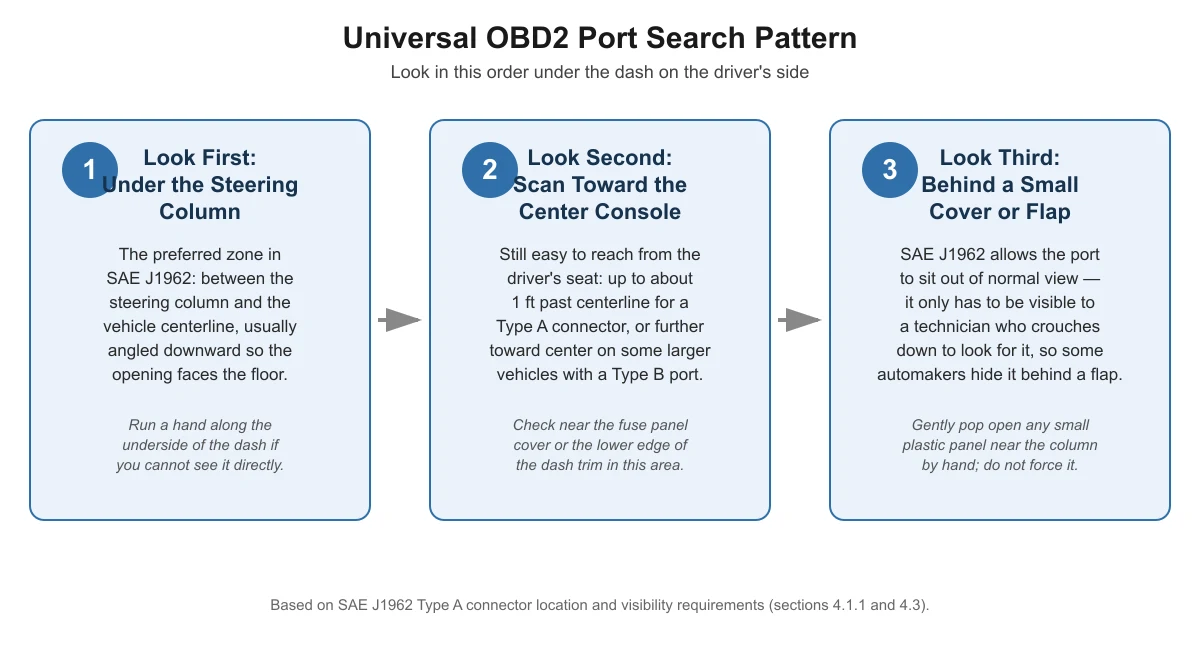
Because the standard defines a zone instead of a single spot, the fastest way to find the port on any car is to search that zone in order, from the most common location to the least common, rather than guessing or checking a brand-by-brand list that can’t cover every model and trim. The graphic and table below lay out the same 3 steps.
| Step | Where to look | What the connector standard says | What this looks like in your car |
|---|---|---|---|
| 1. Under the steering column | Directly below the column, at or below knee height | Preferred location: between the steering column and the vehicle centerline (SAE J1962, sec. 4.1.1) | Usually angled downward, reachable without bending down far |
| 2. Toward the center console | Along the lower dash edge, scanning sideways from the column | Still inside the required zone: up to about 1 ft (300 mm) past centerline for a Type A connector, or about 2.5 ft (750 mm) for a Type B connector on some larger vehicles (sec. 4.1.1, 4.1.2) | Near the fuse panel cover, the radio or climate controls, or the edge of the center stack |
| 3. Behind a small cover or flap | Any small plastic panel in the areas above | Allowed to sit out of normal view, as long as a crouching technician can still see it (sec. 4.3) | A flip-down flap, a push-fit panel, or a cover that looks like it belongs to the fuse box |
Step 1: Check Under the Steering Column First
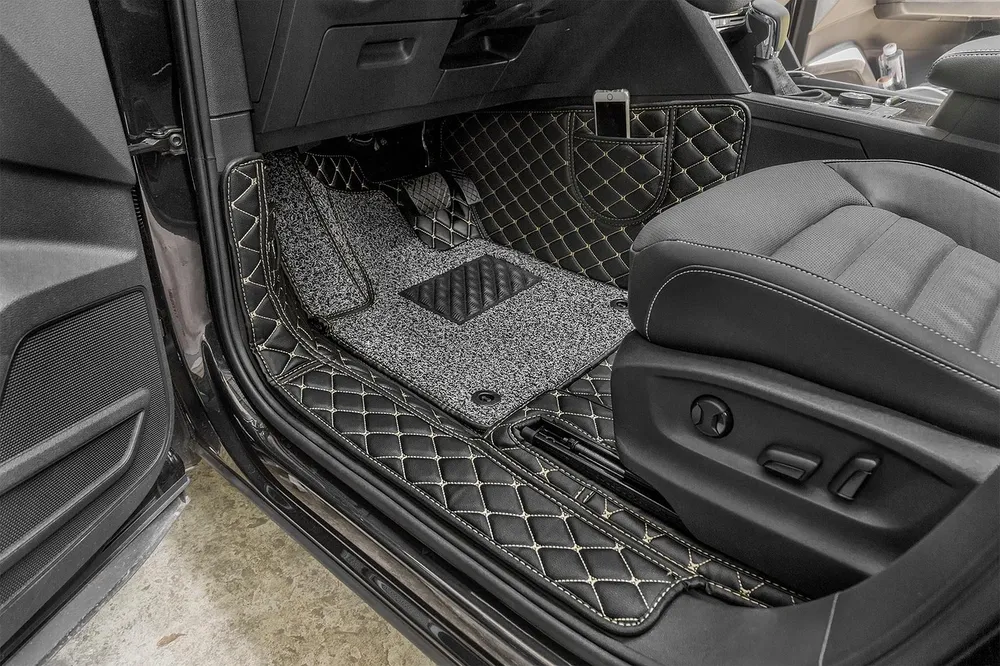
Start here on every car, because this is the preferred zone SAE J1962 defines for the most common connector type. Get down at knee height in the driver’s footwell and look straight up at the underside of the dash, directly below the steering column. The connector usually faces downward or at a slight angle, which is why it’s easy to miss if you’re only looking straight ahead or crouching too far back.
If the lighting is poor, don’t rely on sight alone. Run your fingers along the underside of the dash in this area; the connector has a distinctive rectangular shape with a raised lip around 16 small pin holes, and you can often find it by feel before you can see it.
Step 2: Scan Sideways Toward the Center Console
If step 1 comes up empty, don’t assume the port is missing — slide your search sideways, toward the center of the car, while staying under the dash. SAE J1962 allows a Type A connector up to about a foot past the vehicle’s centerline, and a Type B connector — used on some trucks and vans — as far as about two and a half feet past centerline. That’s a wider area than most people check before giving up.
In this zone, look near the fuse panel cover, around the base of the radio or climate controls, and along the lower edge of the center dash trim. The connector is still meant to be reachable from the driver’s seat without leaning over, so keep your search within arm’s reach of where you’d normally sit.
Step 3: Check for a Hidden Cover or Flap
If steps 1 and 2 don’t turn up a connector you can see, the standard’s visibility rule is probably why: a manufacturer only has to make the port visible to someone crouched down and looking for it, not to someone sitting normally in the seat. That’s a low bar, and some automakers use it to tuck the connector behind a small plastic panel, a flip-down flap, or a cover styled to blend in with the rest of the dash.
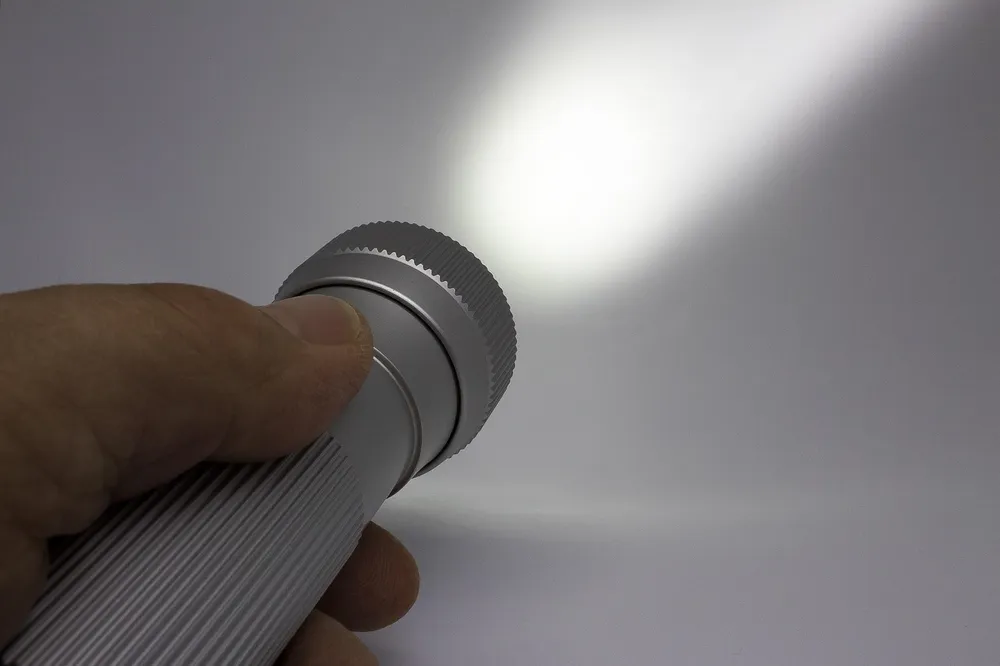
Use a flashlight or your phone’s light and look for a seam, a small handle, or a panel that looks separate from the surrounding trim in the areas from steps 1 and 2. Gently press or pull by hand — these covers are designed to pop open without tools. Don’t pry at trim with a screwdriver or other tool, since that risks cracking plastic that isn’t actually hiding anything.
What If You’ve Searched and Still Can’t Find It?
Before assuming your car is some kind of exception, go back through the search pattern once with better lighting; most “missing” ports turn out to be sitting in step 2 or step 3’s area, just overlooked the first time. If you’ve genuinely covered the whole zone from the steering column to well past the centerline, check your owner’s manual: many manuals include a diagram showing the exact connector location for your specific trim, which can save you from an incomplete search.
It’s also worth double-checking that what you plugged into is the real 16-pin OBD2 connector and not a similar-looking plug for something else, like an aftermarket alarm or accessory harness nearby. If you do find and plug into the correct port but your scanner still won’t communicate with the car, that’s a different problem with its own set of fixes — our “no link detected” troubleshooting guide covers it in detail.
Common Mistakes When Searching for the Port
A few habits make this search take longer than it needs to. Looking only straight ahead, instead of crouching down and looking up at the underside of the dash, is the single biggest one — the angle the connector faces is exactly why a seated glance misses it. Searching the passenger side first is another: the standard places the connector in the driver’s compartment, so time spent on the passenger side before checking the driver’s side is time wasted.
Jumping straight to a brand-specific online list is also a common shortcut that backfires, since those lists can’t cover every model year and trim, and the port’s exact position still falls somewhere in the same standardized zone regardless of make. Finally, avoid forcing open any panel that doesn’t want to move; if a cover resists gentle hand pressure, it likely isn’t the one hiding your connector.
Frequently Asked Questions
Why isn’t my OBD2 port in exactly the same spot as a friend’s car?
SAE J1962 defines an allowed zone for the connector, not one exact point, so different automakers place it at different spots within that same general area. One car might have it directly under the column facing straight down, while another has it a few inches toward the center console. Both are correct as long as they fall inside the standard’s zone.
Is it normal for the OBD2 port to be hidden behind a cover?
Yes. The connector standard specifically allows the port to sit outside your normal line of sight as long as it’s still visible to someone crouched down looking for it. Many automakers use that allowance to tuck the connector behind a small flap or panel rather than leaving it fully exposed on the dash.
Can the OBD2 port be somewhere other than under the dash, like the engine bay?
For vehicles covered by the U.S. OBD2 mandate, the standard requires the connector in the passenger or driver’s compartment, not the engine bay or trunk. If you’ve searched the full zone under the dash near the steering column and center console and still found nothing, recheck with your owner’s manual’s diagram before assuming your car is an exception.
What if my car doesn’t seem to have an OBD2 port at all?
The EPA’s on-board diagnostics requirement for light-duty vehicles and trucks began with the 1994 model year, so older vehicles may not have a standardized port at all. If your vehicle is newer than that and you still can’t locate a connector after a thorough search, that’s unusual enough to be worth asking a shop or the dealer rather than continuing to search on your own.
Sources
- SAE International, J1962 (2002), Diagnostic Connector standard — sections 4.1.1, 4.1.2, and 4.3 on vehicle connector location and visibility, as archived at Internet Archive — checked November 2026
- U.S. Environmental Protection Agency, Frequently Asked Questions About On-Board Diagnostics (Environmental Fact Sheet) — checked November 2026
autoscanguide.com Editorial Team. Last updated: November 12, 2026.