
Last updated: November 13, 2026
Key Takeaways
- Autoscanguide.com sorts a problem by what you can see, hear, smell, or feel, then points you toward the most likely system.
- The site narrows a vague complaint into a smaller list of likely systems.
- Autoscanguide.com gives major symptoms separate paths because they often point to different systems and checks.
- You use them by matching the symptom closely, then checking whether one more symptom changes the picture.
If you’re trying to figure out a car problem, autoscanguide.com puts the symptom first so you can start with the thing you actually notice, not a parts list. It groups issues by symptom, not by guesswork. In this article on how autoscanguide.com organizes car issues by symptom, that symptom-first structure is the main topic. The sections below show how that structure works, what each symptom bucket is meant to catch, and when one symptom should make you check two or more paths. Talk to a qualified mechanic about your own situation if the car is unsafe to drive or the symptom is getting worse.
What autoscanguide.com means by “symptom-first”
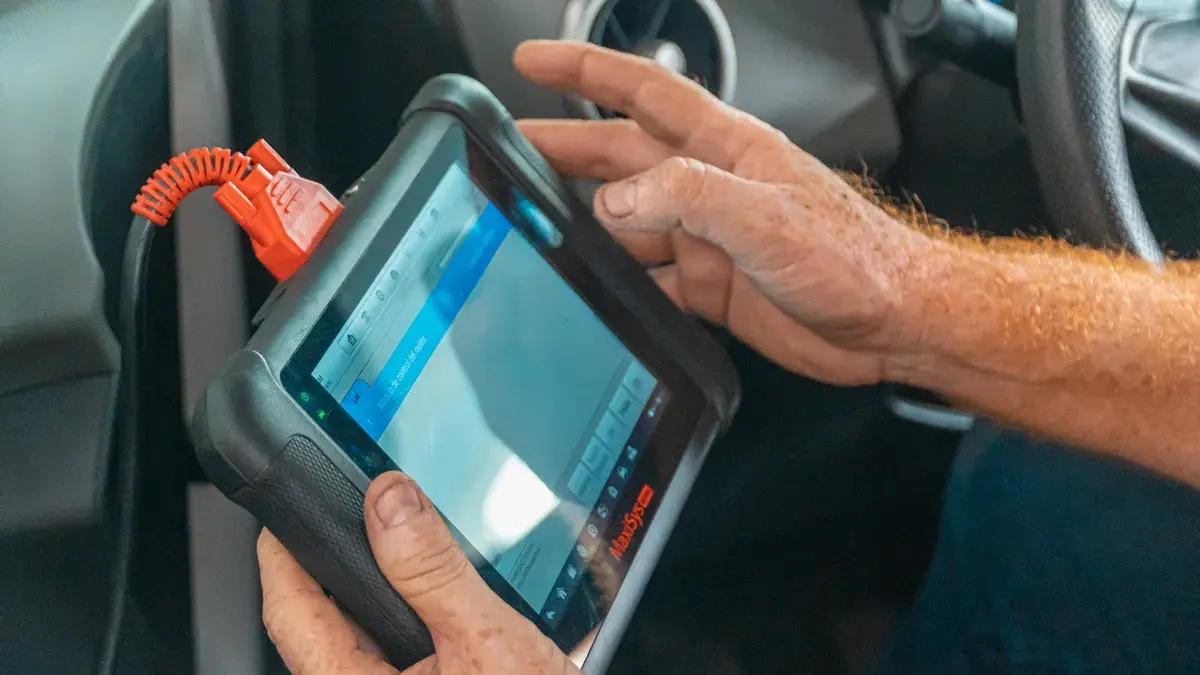
Autoscanguide.com organizes a problem by what you can see, hear, smell, or feel, then points you toward the most likely system behind it. That means engine noise, rough idle, stalling, smoke, and fuel smell become the entry points, not the end of the search. For an outside reference on symptom-based diagnosis, see the National Institute for Automotive Service Excellence (ASE) at https://www.ase.com/ and the National Highway Traffic Safety Administration (NHTSA) at https://www.nhtsa.gov/.
Picture this: you’re standing by the car with the hood up, and the clue is the way it sounds or smells. The site’s symptom-first layout lets you start there instead of guessing whether the starter, fuel system, or exhaust is to blame.
Here’s the catch: one symptom can belong to more than one fault. A rough idle can point to air, fuel, ignition, or vacuum issues; smoke can point to different problems depending on color and timing. That’s why the site’s structure is useful for sorting, not for one-click certainty.
- Starting symptom: used when the car struggles to crank, catch, or fire up.
- Driving symptom: used when the car acts up under load, acceleration, or speed.
- Idle symptom: used when the engine shakes, hunts, or drops rpm while parked.
- Noise symptom: used when the problem shows up as ticking, knocking, squeal, grind, or rattle.
- Smell symptom: used when the clue is raw fuel, burning oil, coolant, or hot electrical odor.
How the symptom layout helps you narrow the issue
The site helps by turning a vague complaint into a smaller list of likely systems. A driver who searches “rough idle” is already closer to the right branch than someone searching “car problem,” because the symptom limits the field before any diagnosis starts.
Picture this: you know the car runs, but it shakes at a stoplight and smooths out once you drive. That combination points you toward the idle branch first, while still leaving room to cross-check fuel, ignition, and airflow.
This kind of grouping works because many car faults show patterns. A misfire may show up as a shaking idle, a stumble during acceleration, and sometimes a flashing warning light. The site’s structure keeps those patterns tied to the symptom you notice first.
Common pattern buckets you’ll see in a symptom-first guide:
- Starting issues: slow crank, no start, hard start, starts then dies.
- Driving issues: hesitation, loss of power, surging, misfire under load.
- Idle issues: rough idle, hunting idle, low idle, stalling at stops.
- Noise issues: squeal, knock, tick, grind, rumble, rattle.
- Smell issues: gasoline smell, burnt oil smell, sweet coolant smell, hot plastic smell.
Which symptoms usually get their own path?
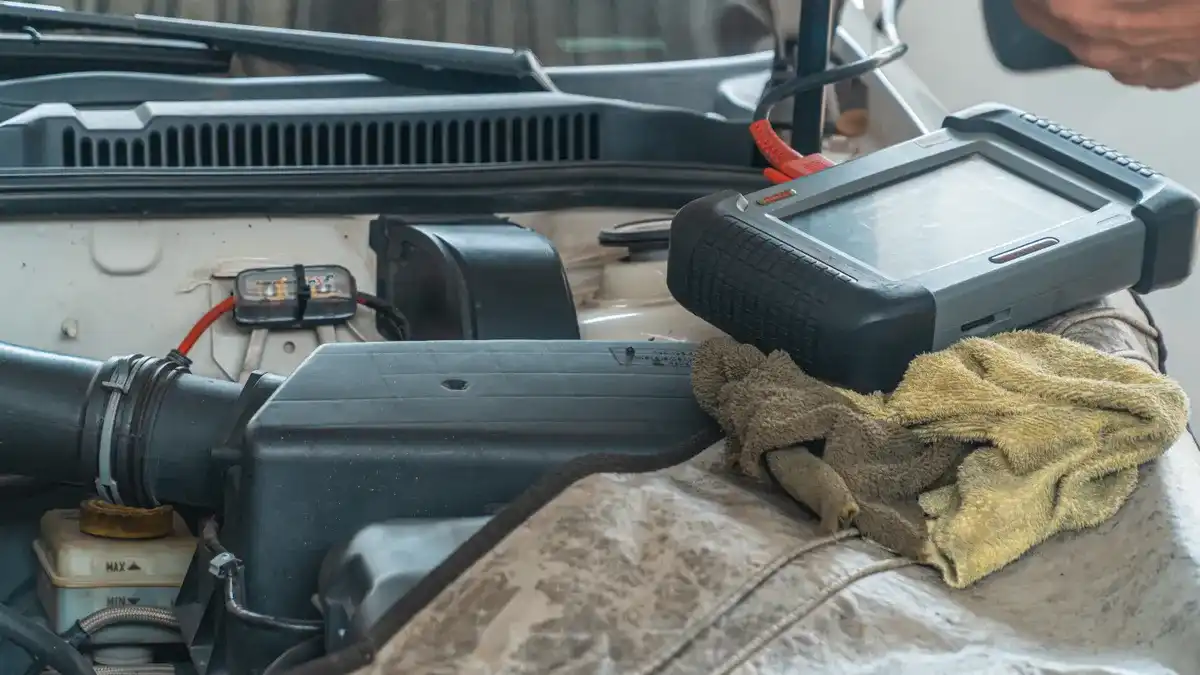
Autoscanguide.com gives major symptoms their own lane because they often point to different systems and checks. A starting symptom usually sends you toward battery, starter, ignition, or fuel delivery. A noise symptom often needs a different approach, because sound can come from belts, bearings, exhaust, or internal engine parts.
Picture this: the car starts fine, but you hear a sharp ticking at idle and a deeper knock when you rev it. Those are not the same clue, and a symptom-first site should keep them apart long enough for you to compare likely causes.
That separation matters most with engine noise, rough idle, stalling, smoke, and fuel smell. Those five show up across several systems, so a site organized by symptom helps you avoid reading the wrong branch first. It also helps you notice when two symptoms belong together, which is often the real clue.
A useful symptom map usually does this:
- Splits starting from running problems.
- Splits idle problems from driving under load problems.
- Splits sound clues from smell clues.
- Cross-links symptoms that often travel together, such as rough idle and stalling.
- Leaves room for more than one branch when the symptom is broad.
How do I use symptom-first pages without getting misled?
You use them by matching the symptom tightly, then checking whether one more symptom changes the picture. If the car has a rough idle and a fuel smell, that is more useful than either clue alone, because it narrows the likely systems faster than a vague complaint.
Picture this: you’re reading one symptom page, but the car also has a warning light and the idle drops in gear. That extra detail may move you from a simple idle issue into a broader engine-control problem.
Start with what happens first, then ask what changes it:
- Note whether the problem appears at start-up, idle, driving, or stopping.
- Write down the symptom exactly: tick, shake, stall, smoke, smell, or another plain word.
- Add one condition: cold engine, warm engine, AC on, uphill, or after fuel fill-up.
- Compare the symptom to the site’s closest branch.
- Check a second branch if the symptom fits two systems.
- Look for overlap with engine noise, rough idle, stalling, smoke, or fuel smell.
- Stop if the symptom suggests a safety problem or the car gets worse within a short drive.
What to check before choosing a symptom branch
You get a better match when you separate the symptom from the situation around it. A car that stalls only in traffic is not the same as one that stalls on cold start, and a fuel smell after filling up is not the same as one that appears while driving.
Picture this: the symptom sounds the same every time, but it only happens after the engine has been running for 20 minutes. That timing matters, because heat often changes how a fault shows up.
Before you pick a branch, note these details:
- When it happens: start, idle, acceleration, cruise, deceleration, stop.
- How long it lasts: a one-time event, 5 seconds, 30 seconds, or ongoing.
- What changes it: temperature, rain, fuel level, AC load, or steering load.
- What else you notice: smoke color, sound type, or smell.
- Whether it is repeatable: once, every drive, or only under a specific condition.
That simple check keeps you from forcing one symptom into the wrong bucket. It also helps you decide whether to read the starting symptom path first or jump straight to driving symptom, idle symptom, noise symptom, or smell symptom.
When one symptom should send you to more than one page
One symptom should send you to more than one page when the clue is broad, the system is shared, or the symptom changes with engine state. A stalling problem can sit in the idle branch, the starting branch, or the driving branch, depending on when it happens.
Picture this: the engine starts, idles badly for a minute, then stalls when you shift into gear. That is not a single clean branch. It crosses idle, starting, and driving behavior, so the symptom-first structure should be used as a map, not a lockbox.
The site’s symptom organization is most useful in overlap cases like these:
- Rough idle + fuel smell: possible fuel delivery or combustion issue.
- Smoke + power loss: often worth checking whether the smoke color matches oil, coolant, or fuel clues.
- Engine noise + stalling: may point to a mechanical issue that affects running quality.
- Starting trouble + smell: can hint that fuel is reaching the engine but not burning correctly.
- Idle shake + driving hesitation: often means the fault is not limited to one operating state.
That’s why cross-checking matters. A single symptom can be the headline, but the full pattern is the story.
What autoscanguide.com does well — and where it stops
Autoscanguide.com does well when you already have a symptom and need a clean way to sort possible causes. It is built for the driver who can say, “It makes this sound,” or “It smells like fuel,” and wants the topic grouped that way.
Picture this: you do not need a glossary lesson, a site tour, or a long FAQ before you can use the page. You need a symptom path that gets you from a vague complaint to a narrower question in a few clicks.
The limit is just as important. A symptom-first layout does not replace a proper inspection, and it does not prove one part is bad. It also can’t resolve symptoms that overlap heavily, such as rough idle and stalling, without more context from you or a mechanic. For repair and safety guidance, see the NHTSA at https://www.nhtsa.gov/ and the ASE at https://www.ase.com/.
That means the site is strongest when:
- You already know the symptom.
- The symptom is easy to describe in plain language.
- You want to compare likely causes before digging deeper.
- You are willing to cross-check a second symptom page when the first one is too broad.
It is weakest when:
- The car has multiple symptoms at once.
- The car is unsafe to drive.
- The symptom changes every time you start the engine.
- The only clue is a warning light with no other detail.
The mistakes people make with symptom-based car guides
The biggest mistake is starting with a part name instead of the symptom. That sends you toward the wrong branch and wastes time, especially when the real clue is a noise, smell, or idle change. The fix is simple: name the symptom first, then sort the part later.
Picture this: you read about spark plugs because the engine runs badly, but the real clue is a fuel smell and a rough idle after refueling. The symptom tells you more than a guessed part name does.
Common mistakes that cause trouble:
- Using one vague word only — “bad” or “weird” hides the clue; use stalling, smoke, or rough idle instead.
- Ignoring timing — a cold-start issue and a hot-idle issue often lead to different paths.
- Forcing one symptom into one branch — overlap is normal; use two symptom pages when needed.
- Skipping the smell or sound detail — fuel smell and engine noise point to different systems.
- Treating the site like a final diagnosis — it is a sorting tool, not proof; consult a qualified mechanic before making repairs.
- Waiting after a worsening symptom — if the problem escalates quickly, the symptom page is not the next step.
How this page fits into the larger autoscanguide.com guide
This page sits under the main autoscanguide.com guide as the map for symptom-based browsing. It explains the site’s organizing rule so you can use the symptom pages without needing the glossary, the FAQ page, or an about page to understand the structure.
Picture this: you’ve landed here because you want to know where to start, not because you want a site tour. This page answers that by showing how the symptom buckets work and how they overlap.
The key idea is simple: start with the symptom you can prove with your own senses, then move sideways when the symptom points to more than one possible issue. That is the logic behind starting symptom, driving symptom, idle symptom, noise symptom, and smell symptom on this site.
If you remember one rule, make it this: symptom first, system second. That is a practical way to make the site useful without overreading it.
What symptom should I start with?
Start with the symptom you noticed first. If the car won’t begin the problem until you turn the key, start with the starting symptom; if it runs rough at a stop, start with idle; if the clue is sound or smell, use those branches first.
Can one symptom fit more than one issue?
Yes, one symptom can fit more than one issue. Rough idle, stalling, smoke, and fuel smell often overlap across several systems, so a second symptom or a timing detail usually helps narrow the path.
How do I choose between similar symptoms?
Choose the branch that matches the most specific clue, not the broadest one. If the car shakes only at a stop, that points more toward idle; if the same shake happens while accelerating, the driving branch may be the better fit.
Drafted with AI; not yet reviewed by a person.


3 COMMENTS