
Last updated: November 14, 2026
Quick Answer: 1 scan result, 3 checks, 1 next step. A car scan result on autoscanguide.com tells you which trouble codes are stored, how serious the check engine light may be, and what to do next. Read the code, match it to the warning light, then use the next-step guidance instead of guessing. How to read a car scan result on autoscanguide.com starts with the code, then the light, then the symptom. The steps below show how to turn a diagnostic report into a plain next move.
Key Takeaways
- The scan result is the starting point; the code points to a system, not always one broken part.
- A check engine light and a trouble code can mean a loose cap, a sensor fault, or a deeper engine issue.
- Severity comes from the code family, the warning light behavior, and how the vehicle drives.
- The next step is the one that cuts uncertainty without making the problem worse.
- Same code, different cause: one P0420 can mean an exhaust issue, a sensor problem, or a catalyst fault.
What a car scan result on autoscanguide.com is telling you
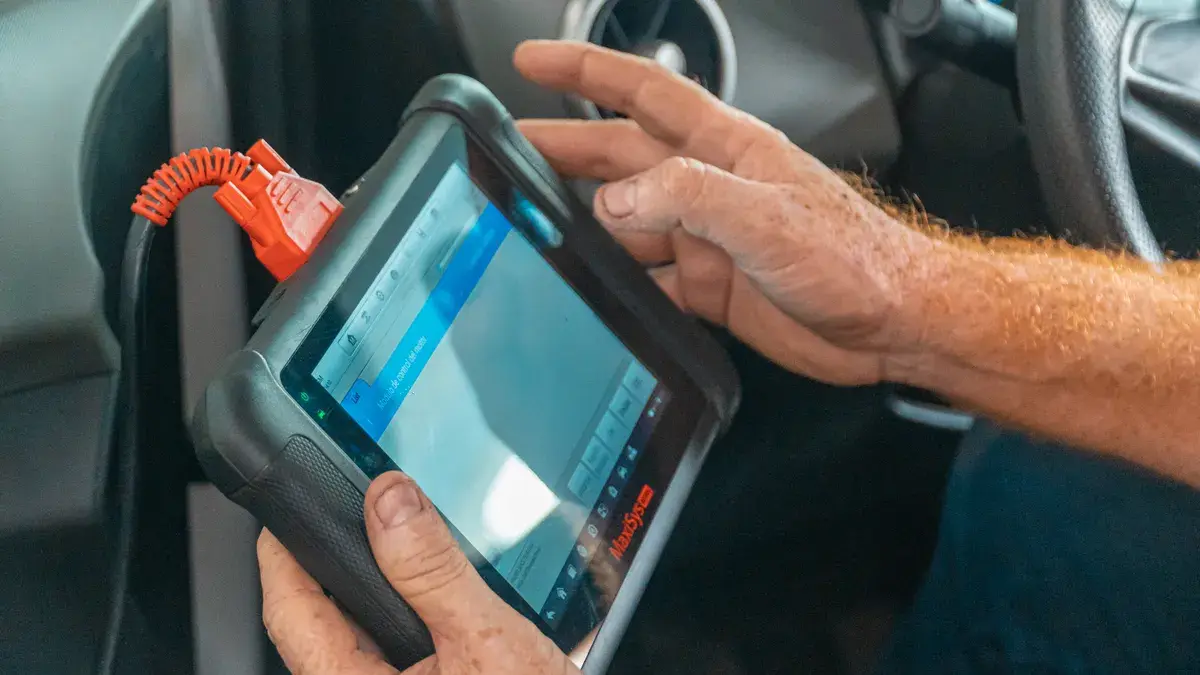
A scan result on autoscanguide.com tells you which OBD-II trouble codes your car stored and what those codes usually point to. It is not a full repair order. It is a map from the vehicle dashboard warning to the likely system, such as fuel, ignition, emissions, or transmission.
Picture this: you have a check engine light, a cheap scanner, and a page full of codes. The hard part is not seeing the code. The hard part is knowing which parts of the result matter and which ones are just noise. A clean read starts with the code family. P-codes are powertrain. B-codes are body. C-codes are chassis. U-codes are network or communication faults.
A generic article stops at “look up the code.” That misses the point. The code only matters after you note three things: the trouble code, the warning light, and whether the car runs rough, stalls, or feels normal. Those three clues often matter more than the raw number itself.
- P0300 usually means random or multiple misfires.
- P0420 usually points to catalyst efficiency below threshold.
- U0100 often means lost communication with a module.
If the scan result shows more than one code, read the first one as the lead clue and the rest as possible side effects. If you are unsure, consult a professional and compare the reading with a reliable source such as the OBD-II standards overview from the EPA or a factory service manual. A weak battery, for example, can throw a chain of odd diagnostic report entries. That does not mean every code is its own failure.
How do I read the code line by line?
You read the code line by line by starting with the code prefix, then the exact number, then the note beside it. That order keeps you from chasing the wrong part. A code like P0171 means something very different from P0174, even though both can point to a lean condition.
Because the order matters, start with the prefix. Then move to the number. Then read the note. That keeps the result clear. Picture this: the result page shows three lines, and one of them looks serious because it sounds technical. Your job is to slow down and split the line into pieces. The prefix says the system, the number narrows the fault, and the note tells you the likely path for diagnosis.
- Open the OBD-II scanner result and find the first stored code.
- Read the prefix: P, B, C, or U tells you the system group.
- Read the full number so you do not mix similar codes like P0301 and P0300.
- Check the status if the report shows stored, pending, or confirmed.
- Match the note to the system, not to a single part name.
- Compare the code with the dashboard light and how the car drives.
A pending code matters less than a confirmed code, but it still matters. A pending P0442 may clear if the fault does not return after a drive cycle. A confirmed code means the problem was seen again and the car computer decided it was worth keeping.
Here’s the catch: the code may not name the broken part. It often names the system that failed a test. That is why “oxygen sensor code” can still end up being an exhaust leak, wiring issue, or fuel trim problem.
- P0xxx codes are generic OBD-II codes.
- P1xxx codes are often manufacturer-specific.
- Pending codes usually mean the fault was seen once.
- Confirmed codes mean the fault repeated enough to store.
What the warning light and dashboard behavior add to the result
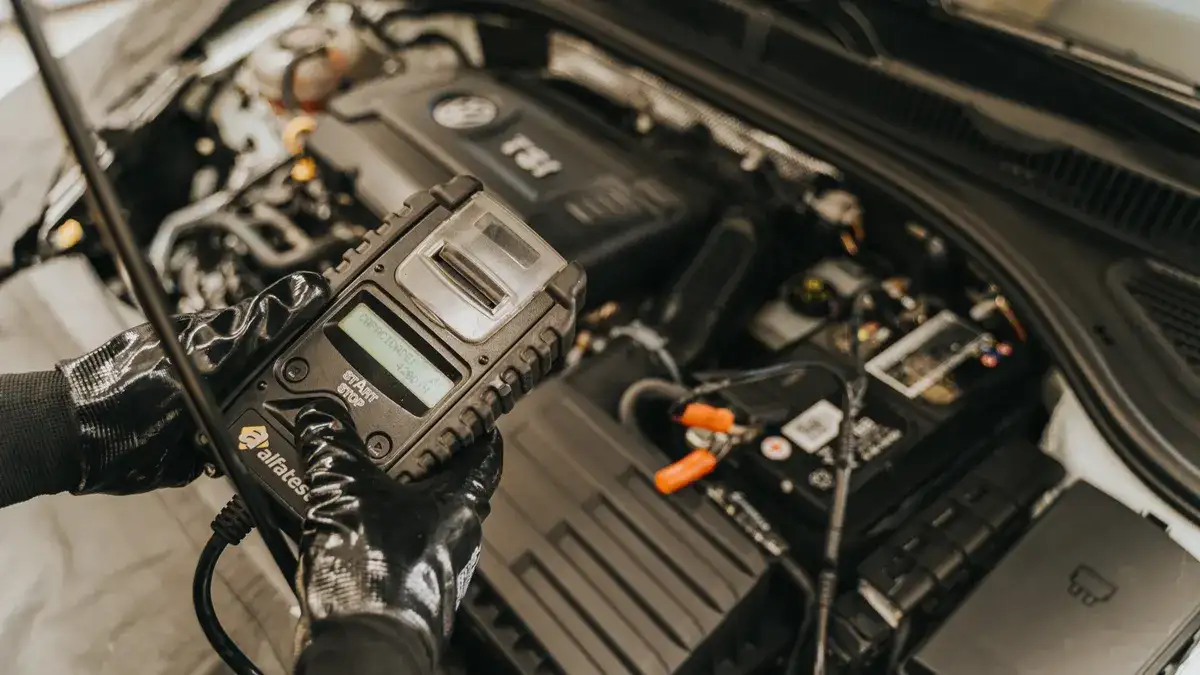
The warning light and dashboard behavior tell you how urgent the scan result may be. A steady check engine light with normal driving is different from a flashing light, rough idle, or loss of power. The code alone does not rank the urgency; the car’s behavior does.
Picture this: the scanner says P0300, but the engine shakes at idle and the exhaust smells off. That is a much different picture than a P0455 on a car that drives normally. The dashboard gives the report context the code cannot.
Use the light and the symptoms together:
- Steady check engine light: often means the car can be driven short-term while you sort the cause.
- Flashing check engine light: often signals active misfire and possible catalyst damage.
- Battery light: points to charging trouble, not an OBD-II emissions fault.
- Temperature light: means overheating risk, which takes priority over the scan code.
The result also matters if the vehicle feels fine. A car can drive normally and still store a code that needs attention soon. P0420 is a good example. The car may feel normal, but the scan result still says the emissions system is not working as expected.
Do not ignore a code just because the car “seems okay.” That habit costs time later. It also costs parts if you start replacing sensors without reading the warning light pattern first.
- Flashing light plus misfire code: stop thinking “small issue.”
- Steady light plus fuel trim code: start with air leaks, fuel delivery, or sensor data.
- No drive symptom plus emissions code: plan a careful follow-up, not panic.
What should I do after I see the code?
You should turn the scan result into one next step, not ten guesses. That means choosing whether to inspect, clear, retest, or stop driving. The right next move depends on the code family, the light, and the car’s behavior, not on the code number alone.
Picture this: you have the code on the screen and a repair shop closed for the night. You want a move that is useful now, not a random part order. The next step should reduce uncertainty first.
- Check the code family on the OBD-II scanner result.
- Check the dashboard light for steady, flashing, or other warnings.
- Check the drive feel for misfire, stall, rough idle, or normal running.
- Match the code to a likely system such as air, fuel, ignition, or emissions.
- Decide the next step: inspect, retest, or schedule service.
A code linked to a loose gas cap, EVAP leak, or low-voltage event often starts with a visual check. A misfire code starts with ignition, fuel, compression, or air leaks. A communication code points you toward wiring, power, ground, and module connection checks.
The mistake here is clearing the code before you write it down or save the diagnostic report. Once the light goes off, the trail can get shorter. If the same fault returns after 1 or 2 drive cycles, you will be glad you kept the original reading.
Common mistakes that turn one code into wasted money
The biggest mistake is treating one code as a parts list. That leads to wrong purchases and more scans. A P0420 does not always mean a new catalytic converter, and a P0301 does not always mean a bad spark plug.
Picture this: you search the code, buy the first part named in a forum, and the light comes back in a day. That is the expensive path. A better read starts with the system, then the symptom, then the likely cause chain.
Common mistakes to avoid:
- Replacing the part named in the code without checking the system.
- Ignoring pending codes that keep returning.
- Reading one code alone when the report shows a cluster.
- Confusing emissions faults with charging faults.
- Clearing codes too early and losing the pattern.
What to do instead is simple. Use the code as a clue, not a verdict. If the result shows P0171, look for vacuum leaks, low fuel delivery, or bad sensor data before buying a sensor. If it shows P0302, inspect the cylinder-specific path before assuming the whole engine is at fault.
This is where a good diagnostic report saves money. It helps you sort “possible cause” from “actual fix.” That matters more than speed when the code is vague.
- Wrong part, wrong cost.
- Right system, better next step.
- One code, one plan.
How to use autoscanguide.com for the next step, not just the code meaning
You use autoscanguide.com best when you turn the scan result into a next action the page can support. That means reading the code, noting the system, then using the site’s guidance to decide whether the issue is likely minor, repeatable, or worth a shop visit. It is a workflow, not a code dump.
Picture this: you are staring at the result and want a plain-English path through it. The site’s job is not just to define the code. It is to help you move from “what is this?” to “what do I do now?” That is the difference between a lookup and a usable diagnosis trail.
A useful read usually follows this order:
- Save the exact code, such as P0171 or P0420.
- Check whether it is pending or confirmed.
- Match the code family to the affected system.
- Read the warning light context on the dashboard.
- Use the result to choose inspect, retest, or repair.
The best part is that you do not need to know every term before you start. You only need enough detail to avoid a bad first move. If a code points to fuel trim, you do not start with the exhaust. If it points to communication, you do not start with a spark plug.
This page sits under the larger autoscanguide.com guide, so think of it as the “how to read the result” step inside a bigger learning path. The result page matters because it changes what you do next.
Why the same code can mean different repairs
The same code can mean different repairs because the code points to a test failure, not always one failed part. That is why the same P0420 can come from an exhaust leak on one car and a weak catalyst on another. Vehicle make, engine design, mileage, and symptoms all change the likely cause.
Picture this: two cars show the same code, but one smells like raw fuel and the other runs clean. The shared code does not erase the differences. It only says the computer saw the same kind of problem in both cars.
Three things change the repair path:
- Vehicle model: some models are known for certain wiring, vacuum, or sensor issues.
- Symptom pattern: rough idle, stall, or normal driving changes the search order.
- Code cluster: one code alone means less than three codes that point to the same system.
That is why a scan result should be read as a lead, not a sentence. If you skip the symptom check, you may replace a good sensor and miss a cracked hose, weak battery, or wiring fault. If you skip the code family, you may aim at the wrong system entirely.
The practical rule is plain. Read the code, read the warning light, read the car’s behavior. Then choose the next step that fits the whole picture.
What does a scan code mean?
A scan code means the car computer found a fault in a system it monitors through the OBD-II scanner. It does not always name the broken part. A code like P0300, for example, points to misfire detection, but the cause can still be ignition, fuel, air, or compression.
Do I need a mechanic after reading the result?
You may need a mechanic if the light is flashing, the car runs rough, or the code points to a safety-related fault. A steady light and a simple code can sometimes wait for a careful check, but a scan result is not a repair by itself. If the cause is unclear after one basic inspection, a professional diagnosis saves time.
Why does the same code have different causes?
The same code has different causes because the code shows the failed test, not the exact broken part. A P0420 can come from a catalyst, an exhaust leak, a sensor issue, or an engine problem upstream. That is why the warning light, symptoms, and code history matter together.
What does a pending code tell me?
A pending code tells you the computer saw a problem once, but not often enough to confirm it. It can clear if the fault does not return over the next drive cycle. If it comes back, treat it like a real lead, not a glitch.
Drafted with AI; not yet reviewed by a person.